The Ultimate Guide to Fly Fishing the Little Red River

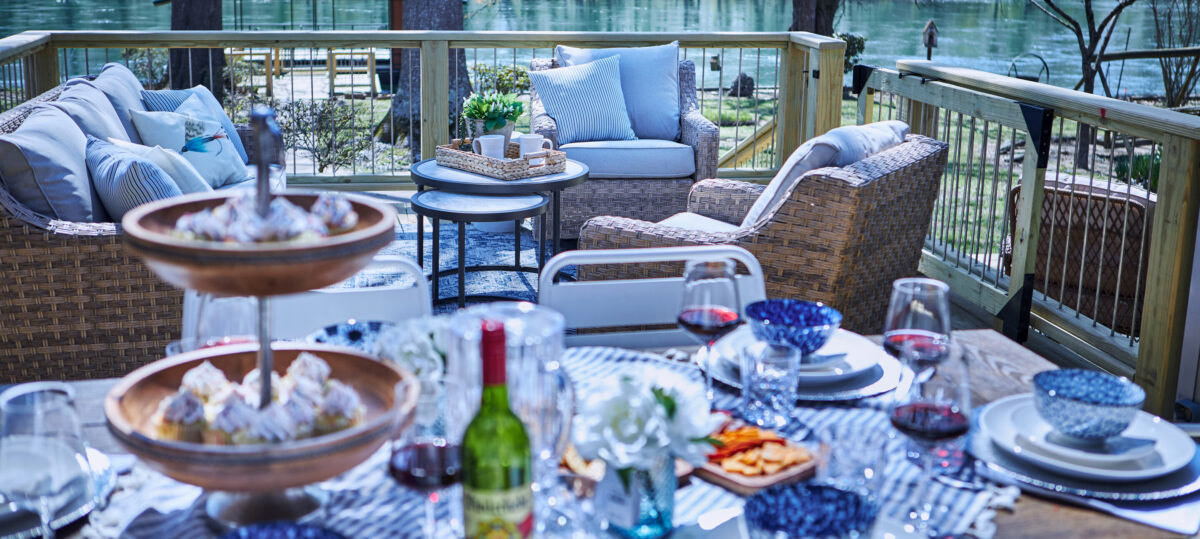
The Little Red River in Heber Springs, Arkansas produced the world-record brown trout in 1992. It still produces trophy fish today. Here is a complete guide to fly fishing the Little Red, written by locals whose home sits on the river.
Why the Little Red River Is on Every Serious Fly Angler’s List
Ten miles below Greers Ferry Dam in the Ozark foothills of Arkansas, the Little Red River is a cold-water tailwater fishery with an outsized reputation. It produced the world-record brown trout on May 9, 1992: a 40-pound, 4-ounce fish landed by Howard “Rip” Collins on a 1/32-ounce olive marabou jig and 4-pound test line at Barnett Access. That fish held the International Game Fish Association all-tackle world record for nearly two decades and remains the largest brown trout ever caught in North American waters.
The Little Red still produces trophy browns. Fifteen-pound fish are landed every year. Twenty-pounders are landed most years. The river’s rainbow trout population is genuinely wild-reproducing in some reaches, a rarity in tailwaters this far south. The bug life is thin but reliable: sowbugs, scuds, midges, and the occasional caddis and sulphur emergence. The dry-fly action is limited compared to a Rocky Mountain freestone, but the trophy potential is world-class.
For visiting anglers, the Little Red offers three things you can’t easily get in one river: trophy brown-trout potential on public water, year-round low-elevation access (no snowed-in seasons), and a genuinely small-town Ozark base of operations in Heber Springs. This guide will walk you through every part of that decision, from where to launch to what to tie on to where to sleep.
Where the River Fishes Best
The Little Red runs about 30 miles from Greers Ferry Dam to its confluence with the White River. The upper 15 miles hold the trout. Below that, water temperature climbs and warm-water species take over. Within that trout zone, six named access points get the majority of the wade and float traffic.
JFK Park (dam tailwater). Right below the dam, generation-water access, big water, big fish, big crowds on weekends. Best fished early and late, or on shoulder-season weekdays. Deep runs hold the biggest browns on the river.
Cow Shoals. About four miles downstream. The shoals themselves offer the best sight-fishing on the river during low-flow windows. Big rainbows key on scuds through the rocky glides. Wade-friendly at low flow, floatable at any flow with local knowledge.
Winkley Shoals. Named for a bend in the river with productive gravel and drop-offs. Popular with local anglers and guide boats. The road access is narrow, so weekday visits are worth planning.
Swinging Bridge (Barnett Access). This is where Rip Collins landed the world-record brown. The pool below the bridge is deep, and the shoals just downstream hold fish through most flow conditions. It’s a walk-on access with limited parking. If you’re staying at The Little Red Riviera, this water is at the end of the street.
Lobo Landing. Further downstream. Slower water, better trout numbers in cooler months. Popular with drift-boat operators.
Ramsey Access. Near the lower end of the trout zone. Water gets marginal for trout below here in summer. Fish it in fall and winter.
None of these accesses require a boat to fish productively, but every one of them fishes better from a boat if you have one. A shallow-draft drift boat or a small skiff opens up water that wade fishermen never see.
Reading the Flow Before You Cast
The Little Red is entirely controlled by generation at Greers Ferry Dam. When one or more turbines are running, the river rises fast. When they’re off, the river drops to base flow. Your fishing strategy has to match the water condition, and it’s not optional.
Base flow (turbines off). The river drops to somewhere between 100 and 300 cubic feet per second in most spots. Every riffle wades. Sight-fishing to fish holding on scud beds is possible. Nymph rigs with #16-20 scuds, sowbugs, and midge pupae are the standard.
One turbine (2,500-4,000 cfs). The river rises three to six feet depending on where you are. Wading gets marginal to dangerous. Drifting is excellent. Fish move up into the willows and into slack water behind midstream boulders. Streamers on sink-tips move browns.
Two turbines (7,000-9,000 cfs). Wading is over. Drifting requires local knowledge. This is when the biggest browns eat, but this is not water for first-time visitors without a guide.
The Southwestern Power Administration (SWPA) publishes the generation schedule day-of, updated hourly. The hotline number is 501-362-5150. There’s also a web feed at swpa.gov. Call before you drive to the water. A trip planned for wading water can become a trip standing on the bank if generation kicks on without warning.
Cold-weather months and dry summers usually mean less generation. Wet springs and hot summers mean more. Weekend water is often lower than weekday water because power demand cycles down. There is no substitute for checking the schedule the morning of your trip.
Seasonal Playbook
Winter (December through February). The Little Red is at its best. Generation is low, the water is cold, big browns are pre-spawn or post-spawn and eating actively, and there is almost no crowd. Streamers, midges, and San Juan worms below egg patterns. Water temperatures in the low 40s. Wear waders, wear layers.
Spring (March through May). Rising water, spring generation for hydro power. Nymph rigs with scuds and sowbugs continue to work. Caddis emerges in late April and May. This is the transitional season. Book a guide for at least one day to figure out where the fish have moved.
Summer (June through August). Water stays cold because it’s coming out of the dam’s bottom draw, but generation is heavy in the afternoon. Fish early morning before the water rises. Sulphur mayflies emerge in the upper river in June. Terrestrial patterns work in the middle river.
Fall (September through November). Second-best season on the river. Generation eases up. Brown trout stage for the spawn. Streamer season proper. Water clears. You will not be alone on the river, but the fishing rewards the effort.
Flies That Actually Move Fish
The Little Red is not a hatch-matching mayfly river most of the year. Ninety percent of the trout diet is scuds, sowbugs, and midges. The fly box for a productive day is smaller than most anglers expect.
Nymphs to always carry
- Sowbug patterns in #14-18 (gray, tan, olive)
- Scud patterns in #14-18 (pink, orange, olive, tan)
- Midge pupae and larvae in #18-22 (red, black, olive, cream)
- San Juan worms in #12-14 (red, wine, pink)
- Egg patterns in #14 (peach, chartreuse)
- Zebra midges and Rainbow Warriors in #18-22
Streamers when browns are on the eat
- Wooly buggers in olive, black, and brown, #4-8
- Sculpin patterns in olive-brown, #4-8
- The Sex Dungeon and other articulated streamers in olive-white or all-white
- Marabou jigs in olive, brown, and white (yes, this is what Rip Collins used)
Dries when they emerge
- Caddis in #14-16 (April-May)
- Sulphur emergers and duns in #14-16 (June)
- Griffith’s Gnats in #18-22 (year-round midge cluster)
- Terrestrials (beetles, ants, hoppers) in #10-14 (summer)
A leader system worth adopting: 9-foot 5x tapered leader, then 18-24 inches of 6x fluorocarbon to your point fly, then another 12-18 inches of 6x to your dropper. Weight with tin or non-toxic shot rather than lead near the dam.
Wade or Float
Wade is legitimate on the Little Red at base flow. Every named access lets you get to water that holds fish without a boat. The wading is easy on gravel, tricky on the greasy shale ledges in a few spots. Cleats are worth having.
Float opens up 15-plus miles of trout water and gets you to seams and pockets a wade angler never touches. A drift boat is ideal. A shallow-draft skiff works. Guided floats are the fastest way to learn the river for a visiting angler who has one or two days.
The middle-river floats (JFK to Cow Shoals; Cow Shoals to Winkley; Winkley to Barnett Access) each run four to six hours at generation flows and can be done wading at base flow with a car shuttle.
Guides Worth Booking
The Little Red has a healthy guide community. If you have one day on the river and want to catch fish, book a guide. If you have three or four days and want to learn the water, book a guide for day one and fish on your own after.
Local operators include Little Red Fly Fishing Trips, Fin and Feather (recently rebranded from Ozark Angler), Sore Lip ‘Em All, Reel Good Fishing, Arkansas On The Fly, and Woodard Fly Fishing. Most run half-day and full-day float trips out of drift boats, provide flies and terminal tackle, and offer wade-fishing options in low water. Rates typically run $400 to $600 for a full-day float for two anglers, with tips extra.
If you’re staying at The Little Red Riviera, we can point you toward the right guide for the water conditions during your visit. Guide preference is honestly more about personality fit than skill difference at this level.
Where to Base Yourself
The town of Heber Springs is your practical base. Coldwater Grill and Cafe Klaser are the local dinner spots. The Walmart has everything you forgot to pack. There’s a laundromat, a bait shop that sells fly gear, gas, and reasonable coffee.
For lodging on the river, options fall into three tiers. The traditional resorts and cabin motels along the river are budget-friendly but dated. Chain hotels in town are fine but not on the water. Private vacation rentals are where the value lives if you want a home base rather than a room.
The Little Red Riviera is our home on the river at 220 Swinging Bridge Drive, at the end of the same access road where Rip Collins landed the world record. Three bedrooms, sleeps up to 10, private dock on the river, 407 Mbps fiber wifi for weather-app checks and evening fly-tying video calls, and a garage across the street that stores skiffs and rod tubes. It sits about 10 river miles below Greers Ferry Dam, which puts you within a 20-minute drive of every named access on the trout section.
The Practical Trip Checklist
Before you leave home
- Buy an Arkansas fishing license (nonresident 3-day or annual, agfc.com)
- Check the extended generation forecast at swpa.gov
- Check the AGFC trout stocking calendar
- Pack layers, waders (breathable, not neoprene, except in deep winter)
- Pack studded boots or aftermarket cleats
- Pack a rain shell even in July
When you arrive
- Call SWPA hotline 501-362-5150 for the day’s generation schedule
- Confirm your guide meet-up point
- Load flies, tippet, weight into your vest the night before
Safety non-negotiables
- Never wade downstream of a horn without knowing the schedule
- Turbine-water rises 3-6 feet in 20-30 minutes at the dam, less as you move downstream
- Wading staff (or good hiking pole) on any water you don’t know cold
- Wearable inflatable PFD is smart, especially in cold months
Common Questions
When is the best time of year to fly fish the Little Red? January through March for trophy browns, September through November for the fall spawn stage, June for the sulphur emergence. Any time of year fishes well for someone who reads the flow.
Can beginners have a good day on the Little Red? Yes, with a guide. The river is technical enough that unguided beginners often struggle for a day or two before they figure out the seams. A half-day with any local guide gets you to a productive week.
Do I need a boat? No. Every named access wades productively at base flow. But a boat significantly expands your options.
Is the world record brown trout story real? Yes. Howard “Rip” Collins, a retired teacher from Heber Springs, landed a 40-pound, 4-ounce brown at Barnett Access on the Little Red on May 9, 1992, using a 1/32-ounce olive marabou jig on 4-pound test line. IGFA certified. The fish held the world all-tackle record until 2009, when a larger brown was caught in New Zealand. The Little Red still produces 20-plus-pound browns.
What are the flow numbers I should watch? Base flow is 100-300 cfs and wades safely at most access points. One turbine puts the river at 2,500-4,000 cfs, which is drift-only at most accesses. Two turbines is 7,000-9,000 cfs and requires local knowledge or a guide.
What’s the nearest airport? Little Rock (LIT), about 90 minutes by car. Memphis (MEM) is about three hours. Both work. Little Rock has more direct flights from most East and Midwest cities.
A Final Note on Access and Etiquette
The Little Red is a public river with a healthy local fishing culture. Pull into designated access points, park courteously, don’t crowd wade fishermen, don’t run the outboard at low flow, and pack out what you pack in. If you catch a big brown, wet your hands, keep it in the water, and get it back quickly. The next angler up the river will thank you.
We built Lake Area Stays and The Little Red Riviera because we wanted our own family to have a legitimate river home. It turned out anglers wanted the same thing. If you’re planning a trip to the Little Red and want a home base with the right water at the right doorstep, we’re at lakeareastays.com. Reach out via the fly fishing page. We’ll help you plan the water conditions and the guide day and the grocery run, and stay out of your way when the sun’s up and the river’s fishing.